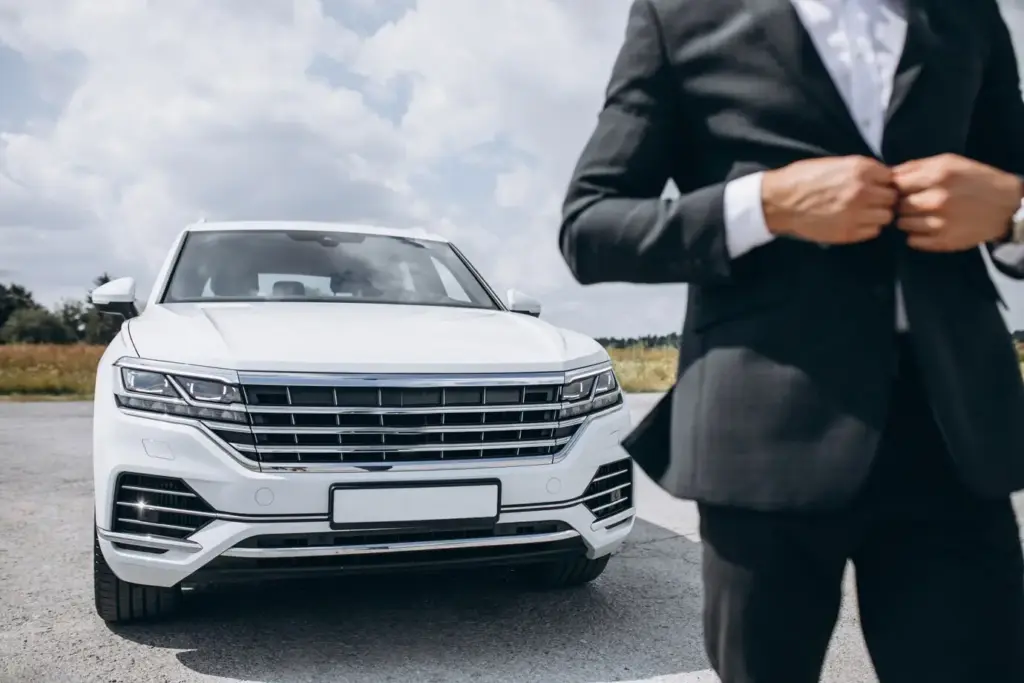
Luxury You Can Feel Every Mile and Minute

Today we explore seat luxury in practical, human terms: massage, ventilated, and ergonomic seating upgrades that turn long drives and workdays into calmer, healthier experiences. Expect real-world insights, simple explanations of hidden mechanisms, and guidance for choosing upgrades that genuinely matter. Whether your throne rolls on four wheels or rests beside a keyboard, you will learn how circulation, microclimate, and support combine to reduce fatigue, sharpen focus, and add a quiet spark of daily joy.

What Makes Seating Feel Truly Luxurious

Luxury you actually notice emerges from three converging forces: smart pressure relief that keeps blood flowing, microclimate control that tames heat and humidity, and ergonomic geometry that aligns spine, hips, and shoulders. When these forces work together, time slows, discomfort fades, and attention returns to the journey or task at hand. It is not extravagance; it is thoughtful engineering that eliminates distractions so you can arrive clearer, calmer, and surprisingly energized.

Massage Systems Demystified

Not all massage seats feel alike, because their internal strategies differ. Some use coordinated air bladders to gently sequence lifts, imitating a therapist’s palms; others deploy mechanical rollers with defined nodes, gliding upward to knead tight muscles; still others mix vibration for circulation. The magic is pattern and timing: too aggressive fatigues muscles, too timid accomplishes little. The right balance brings clarity, like clearing fogged glass, letting your mind see farther without strain.

Active Ventilation vs. Passive Breathability

Passive fabrics breathe naturally, but they cannot move air on still, humid days. Active ventilation uses fans to pull or push air through foam channels, speeding evaporation and taming hot spots behind shoulders and thighs. Fabric and leather behave differently: perforated leather looks premium yet requires careful perforation patterns to maintain strength. The best results pair active airflow with materials chosen for moisture transport, keeping you composed when sunlight and traffic conspire to drain patience.

Thermal Efficiency and Power Draw

Heating elements typically sip power and warm quickly, ideal for short trips or focused lumbar soothing. Cooling strategies vary more: fan-only systems are efficient, while thermoelectric modules offer stronger surface effects with increased consumption and the need for good airflow management. In vehicles, alternator capacity and battery protection strategies matter; at desks, adapters and cable management keep setups tidy. Consider how long you sit, typical climate, and noise tolerance when comparing specifications and promises.

Cleaning, Filters, and Long-Term Performance

Airflow brings dust. Periodic vacuuming of perforations and careful cleaning around intake zones preserve performance and quiet. Some automotive systems hide tiny filters that benefit from seasonal checks. Avoid heavy conditioners clogging pores on ventilated leather. At home, keep pet hair away from fan inlets to prevent whine and heat. These ten-minute rituals maintain that day-one freshness, reducing the gradual dulling of airflow many owners mistake for normal aging rather than preventable neglect.

Ergonomics That Actually Work

Ergonomics is not about stiff rules; it is about adaptable geometry honoring how bodies vary. Seat height sets hip angle, backrest sets spinal alignment, and lumbar depth fills the curve without pushing ribs forward. Thigh support should steady legs without cutting circulation, while headrest reaches gently behind the skull, not under it. When geometry becomes intuitive, fidgeting quiets. That calm steadiness reveals why people equate true comfort with clarity, making decisions easier and reactions quicker.

Nine-Point Adjustability Checklist

Dial in seat height, tilt, backrest angle, lumbar height and depth, cushion length, bolster width, headrest height and depth, and armrest height. Take five minutes to experiment, then drive or type for ten, reassessing calmness rather than stiffness. Tiny tweaks cascade benefits into breathing, shoulder relaxation, and wrist neutrality. Save settings when available. This checklist, repeated seasonally or after gear changes like new shoes or coats, preserves comfort as your posture and routines subtly evolve.

Materials and Foam Density Choices

Foam density shapes feel as much as sculpted contours do. High-resilience foams resist bottoming out, while memory foams conform yet may trap heat without ventilation. Cold-cure molded foams maintain form for years, a favorite in performance seating. Layered constructions blend comforts: a supportive base with a responsive top. Fabric breathes and grips, leather feels classic and cleans easily, and technical textiles split the difference. Pair material and density with climate, body weight, and daily duration.

Upgrade Paths: Car and Workspace

Whether you are retrofitting a vehicle or evolving a desk setup, thoughtful sequencing prevents regret. Start with ergonomic fit—adjustability or cushions—then add ventilation for climate range, and finally layer massage for recovery. In cars, compatibility with airbag sensors and occupancy detection is essential. At desks, prioritize stable bases and safe wiring. Test in person whenever possible, trusting your back more than spec sheets. Share your findings with us; your experience helps others invest smarter and happier.

Care, Sustainability, and Daily Habits

Longevity depends on gentle routines and mindful materials. Ventilated leather needs light, non-greasy conditioners that will not clog pores. Technical fabrics appreciate regular vacuuming and mild spot cleaning. Power components last longer when fans stay dust-free, cords are strain-relieved, and adapters ventilate. Consider ethically sourced leather or high-quality alternatives that breathe, feel pleasant, and age gracefully. Build habits that respect your seat: adjust slowly, keep pockets light, and schedule stretch breaks. Share your rituals; we learn together.

Upholstery Choices and Breathability

Leather communicates luxury and wipes clean, yet benefits from perforation and thoughtful conditioning to avoid warmth buildup. Fabrics breathe naturally and grip clothing, excellent for spirited driving or upright desk work, while Alcantara-like materials balance traction and softness. Climate matters: dry regions favor certain textures, humid regions reward airflow. Whatever you choose, pair the surface with the right under-foam channels. Breathability is a system property, not a single layer, and it shows during hour three.

Routine Care That Preserves Feel

Set a monthly reminder: vacuum seams, clear perforations, and inspect stitching where bolsters meet seat bases. Wipe controls and screens gently to keep haptics crisp. For fans, quick blasts of clean air dislodge dust before it sings. Seasonal deep cleans restore foam resilience, lifting embedded grit that subtly abrades fabrics. Treat care like tuning an instrument; small touches keep the harmony. Your future self will thank you during the next marathon drive or deadline sprint.

Zutonalufatiputuxi
Privacy Overview

This website uses cookies so that we can provide you with the best user experience possible. Cookie information is stored in your browser and performs functions such as recognising you when you return to our website and helping our team to understand which sections of the website you find most interesting and useful.